Program
Overview
Vision
EDT envisions a future where digital twins are seamlessly integrated into engineering processes, enabling unprecedented levels of insight, optimization, and innovation across various domains. By addressing fundamental scientific challenges and fostering a collaborative ecosystem, EDT aims to establish the foundations for the next generation of digital twin technologies that are robust, adaptable, and ethically responsible. The engineering of digital twins requires a multi-disciplinary effort at the crossroads of software engineering, modeling and simulation, numerical analysis, artificial intelligence, computing systems (HPC, cloud/edge), distributed and embedded systems, HCI, and data management. EDT provides a unique opportunity to foster collaborations between these different scientific communities, creating a multidisciplinary community with international leadership.
Main Objectives
EDT aims to achieve four main objectives:
Use Case Catalog
Develop and maintain a publicly accessible catalog of digital twin engineering use cases
International Leadership
Create a national scientific, technological and user community with international leadership on Engineering Digital Twins
Scientific Foundations
Develop the required foundations of the science and engineering of digital twins
EDT Platform
Deliver Artemis, a collaborative and web-based software platform to engineer digital twins
Program Implementation
EDT is structured around five Focused Projects and five Cross-Cutting Actions.
The Focused Projects concentrate on the programme’s core research activities. PC1 to PC3 address software and systems engineering challenges related to the development of digital twins as software systems. PC4 focuses on the interaction between the digital twin and its physical counterpart (the “physical twin”). PC5 explores how the digital twin interacts with its broader ecosystem, including stakeholders, external systems, and end-users.
The Cross-Cutting Actions support and connect these projects by addressing transversal topics that benefit the programme as a whole. These include the development of

EDT started 1st of January 2026 for 6 years, and is funded by France 2030.
Governance
Operating Committee
The operating committee of the EDT program defines strategy, coordinates focused projects and cross-cutting actions, and operates the overall activity of the program. The EDT OC is composed of the scientific directors, the EDT chief operation officer, the EDT chief technology officer, and the scientific leaders of the focused projects.
Scientific Directors
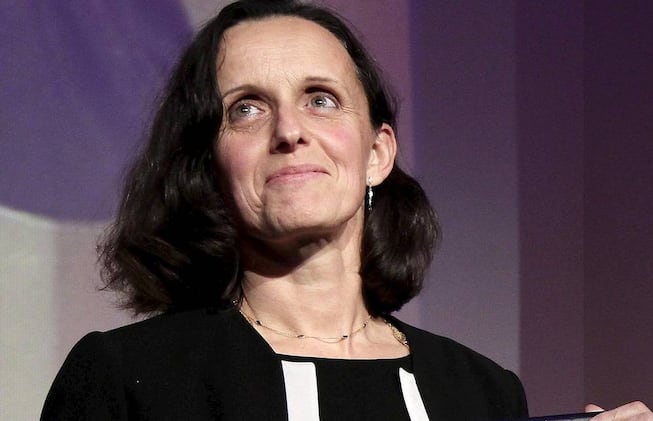
Pascale Vicat-Blanc
Senior Research Scientist at Inria (Industry 5.0 officer), associated member of the LIP Laboratory at ENS Lyon
Pascale Vicat-Blanc is Senior Research Scientist at Inria, where she is “Chargée de Mission pour l’Industrie du Futur” and associated member of the LIP Laboratory at Ecole Normale Supérieure de Lyon (UMR ENS Lyon, CNRS, Inria, University of Lyon). Her research interests cover Networks, Clouds and IoT (Network Digital Twin technology, Internet proto-cols, Network virtualization and programming (NFV, SDN), Internet of Things (IoT), Digital Infrastructure Observability). She has been supervising 15 PhD students, co-authoring 180+ international journals and conferences articles, 2 books and 12 granted FR and US patents. She has participated to the development of software (SaaS) products commercialized by the three startups she created and managed.
Pascale Vicat-Blanc has been Lecturer (McF) Ecole Centrale de Lyon, head of Inria RESO team (UMR LIP) and Inria’s leader of 6 international initiatives, in EU, Japan and the USA. She has been leading 3 national ANR initiatives. She has co-chaired an Inria-Bell Labs research team, and Industrial partnerships with SunMicrosystems, Myricom and Orange. Co-founder and CEO of three start-ups, Pascale Vicat-Blanc has also been Senior Director Product Development at F5 Networks (USA) where she was head of IoT & Network Analytics product innovation. Pascale Vicat-Blanc is member of the Scientific Council of the French Computer Society, of the Scientific Council of the IRT SystemX and at the board of the ENS Lyon. Pascale received the Innovation Prize - Academy of Sciences - INRIA – Dassault System, and the Joliot-Curie Prize - Femme-Entreprise - Ministry of Research.
She is also Knight of the Legion of Honor.
Pascale Vicat-Blanc received a Habilitation à Diriger les Recherches (HDR) in Computer Science from ENS Lyon, a PhD and Engineering degree in Computer Science from INSA Lyon.
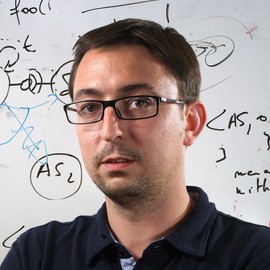
Benoit Combemale
Senior Research Scientist at Inria (Software Engineering officer) | Full Professor of Software Engineering at the University of Rennes
Benoit Combemale is currently Research Director at Inria, on leave from his position of Full Professor of Software Engineering at the University of Rennes. He is evolving within the research team DiverSE, joint to the CNRS Research Institute of Computer Science and Random Systems (IRISA) and Inria.
He is also adjunct researcher in the SM@RT team of the CNRS IRIT labs in Toulouse, and Chief Science Advisor for TwiinIT, a startup specializing in Digital Twins. He is currently serving as Editor-in-Chief for the International Journal on Software and Systems Modeling (SoSyM), editorial board member for the journals SQJ and JOT, and steering committee member for the conferences MODELS, EDTConf, SLE and ICT4S. He is also a founding member of the international community about Engineering Digital Twins (edt.community), and the Eclipse research consortium GEMOC about the coordinated use of heterogeneous modeling languages. Prof. Combemale specializes in software and systems engineering, including model driven engineering (MDE), software language engineering (SLE) and Validation & Verification (V&V), applied to scientific computing, cyber-physical systems and digital twins. He is the author of 3 books, and 170+ journal and conference publications in the fields of MDE, SLE and V&V. He also edited 2 books and various special issues in scientific journals.
Prof. Combemale has been a Full Professor at the University of Toulouse, and a Visiting Professor at Colorado State University and McGill University. He earned in 2015 an Habilitation in Computer Science from the University of Rennes, and in 2008 a PhD in Computer Science from the University of Toulouse, awarded by the prize Leopold Escande.
Chief Operation Officer
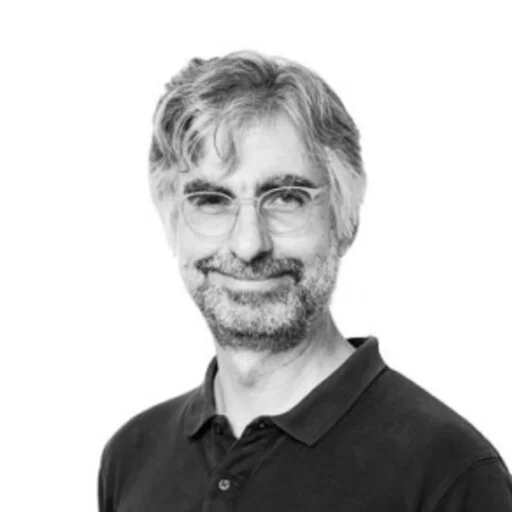
Guy De Spiegeleer
Chief Operating Officer, EDT Program at Inria | Co-founder twiinIT | Former Safran
With a 25-year career at Safran in aeronautical engineering and complex system simulation, Guy De Spiegeleer co-founded in 2022 the startup twiinIT, specialised in digital twin simulation. He joined Inria in early 2026 as COO of the EDT program. A graduate of École Polytechnique and holding a PhD in Mechanics and Numerical Analysis from Arts et Métiers ParisTech, he brings to the program a combination of industrial grounding, scientific rigour and agility.
PC Leaders
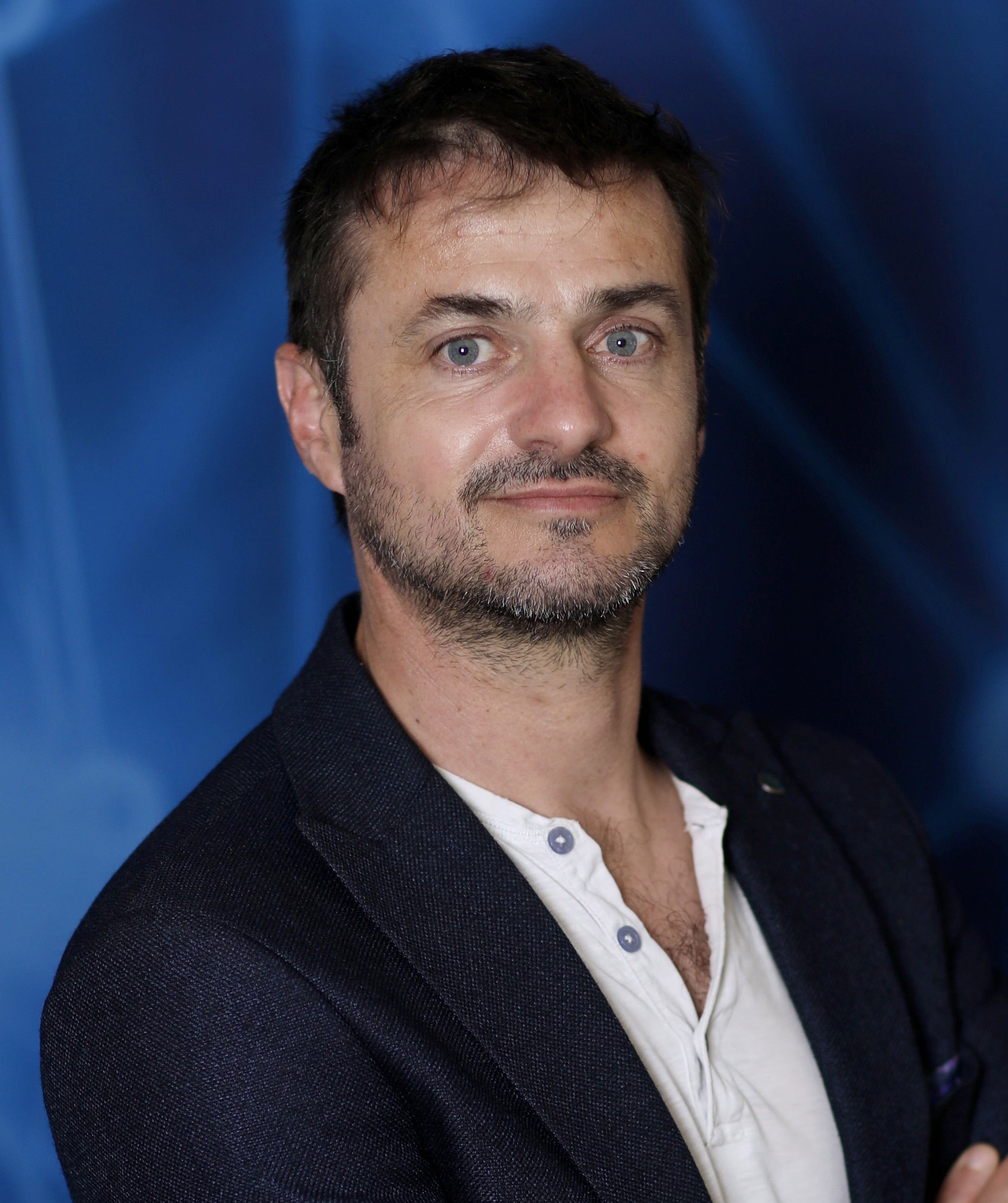
Julien Deantoni
Full Professor at Université Côte d'Azur and Head of the Kairos Team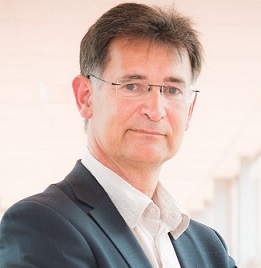
Jean-Marc Jézéquel
Professor of Software Engineering at Université de Rennes/Inria
Jannik Laval
Associate Professor at the University of Lyon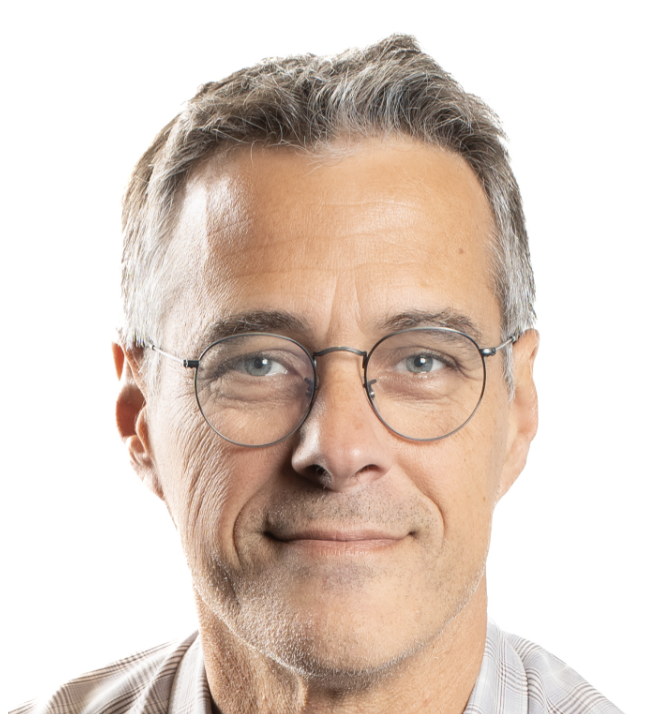
Jean-Michel Bruel
Professor, U. Toulouse Jean Jaurès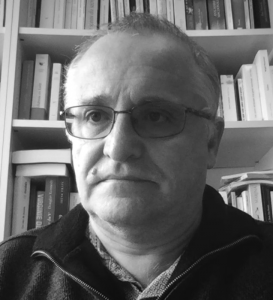
Antoine Beugnard
Professor, IMT Atlantique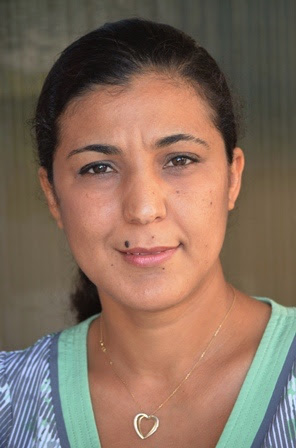
Hind Bril El Haouzi
Full Professor at Université de Lorraine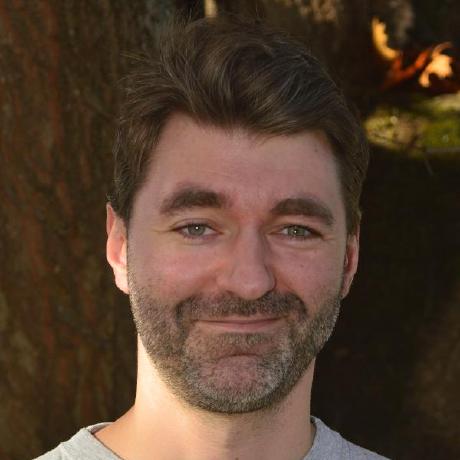
Arnaud Blouin
Associate Professor at INSA Rennes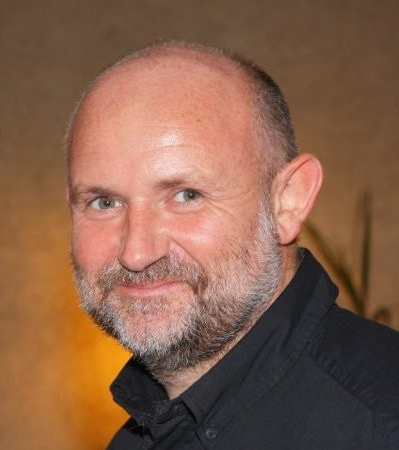
Thierry Duval
Full Professor and Head of Computer Science Department at IMT AtlantiqueStrategic and Evaluation Committee
TBC.
Partners
Funding and Operating Partners


Research Partners


External Partners


Councils
Usage Council
The Usage Council ensures that the program remains grounded in real-world applications beyond the use cases already integrated into the project, while also fostering the future exploitation of its outcomes. The committee complements the Use Case (UC) partners involved in AT2 by bringing in additional stakeholders, including representatives from industry and other research programs (e.g., PEPRs). It brings together these representatives with the Operating Committee, and meets periodically to provide guidance and support the program’s long-term impact.
Scientific Council
The Scientific Council provides the program with complementary scientific expertise and helps identify opportunities for collaboration with related initiatives (e.g., PEPRs, EU projects). It brings together the Operating Committee and approximately 10–15 external experts, and meets periodically to provide strategic scientific guidance.
Technical Council
The Technical Council provides the program with complementary technical expertise and advises on aspects related to technology transfer and exploitation (e.g., open source, standardization). It brings together the Operating Committee and approximately 10–15 experts and meets periodically to support the program’s technical direction and impact.